A Weekend Driving the Northumberland Coast
Two days, an analogue sports car and one of Britain's finest coastlines, from Warkworth to Holy Island and back through the hills.
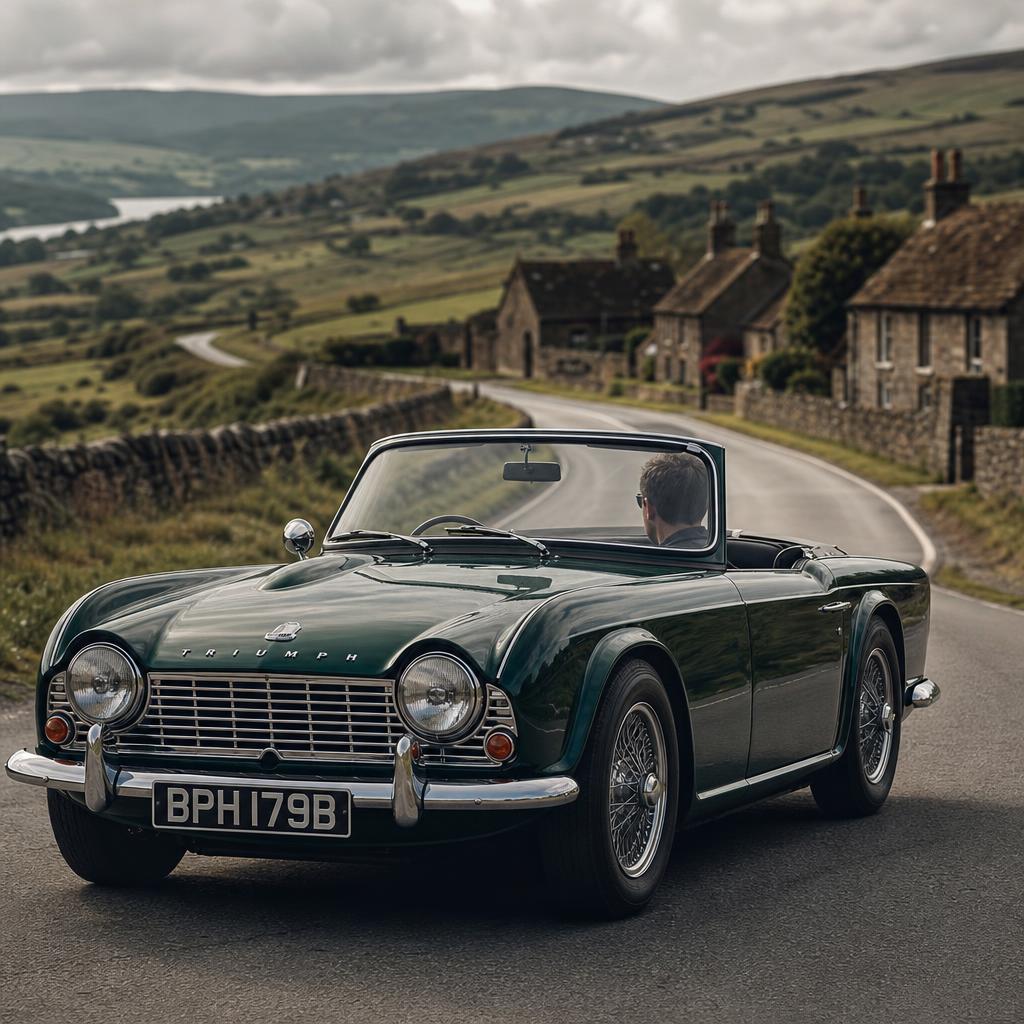
Two days, an analogue sports car and one of Britain's finest coastlines.
The Northumberland coast is a hundred-odd miles of beaches, castles and fishing villages with, for most of the year, almost nobody on it. It is also perfectly scaled for a weekend: long enough to feel like a proper journey, short enough that you never spend the day in the car.
Here is how we would spend two days on it.
Day one: Newcastle to Bamburgh
Leave the city early and get off the A1 as soon as you reasonably can. The dual carriageway is efficient and entirely beside the point.
Warkworth. A castle on a hill inside a loop of the Coquet, with the village curled beneath it. A good first stop precisely because it is so unlike the coast that follows.
Alnmouth. Pastel houses on a spit where the river meets the sea. Ten minutes of walking, a coffee, and back in the car.
Craster. A working harbour, and the place to stop for lunch. It has smoked kippers over an oak fire for a century and a half, and the smokehouse is still going. From here it is a mile and a bit on foot along the shore to Dunstanburgh Castle, which stands in a field above the sea with no road to it at all — the walk is the reason it stays quiet.
Embleton and Beadnell. The stretch where the road runs closest to the dunes. Roof down if the weather allows.
Bamburgh. Arrive late in the afternoon, when the sun is low on the sandstone. Stay the night here or in Seahouses — book well ahead in summer, because the good rooms go months in advance.
Day two: Holy Island and the way home
Lindisfarne first, and tides before anything else. The causeway floods twice a day and the safe crossing times are published; people ignore them every single year and have to be rescued. Check them the night before, plan the whole morning around them, and never chance the last few minutes.
Get there early. The island is a different place before the day visitors arrive: the priory ruins, the castle on its own small crag, and mudflats going out for miles.
Berwick-upon-Tweed. England's northernmost town, wrapped in Elizabethan ramparts you can walk all the way round, with three bridges over the Tweed. Lunch here, then turn inland.
The way back. Do not simply retrace the coast. Head south-west through Wooler with the Cheviots on your right, then down the A697 and across to Rothbury and the Coquet valley. It is an entirely different landscape — hills, drystone walls, almost no traffic — and it turns a coastal run into a proper loop.
Which car
The TR4 is the natural choice. It is an analogue car on roads that never ask for real speed, and its Michelotti lines look completely at home against dunes and harbour walls. It is the one we would take.
The E-Type is the more dramatic option and turns every village stop into a conversation, which is either exactly what you want or exactly what you do not.
The Defender is the answer if the weather looks difficult, if you want the roof genuinely open, or if there are farm tracks and beach car parks in your plans.
Practical notes
Sand and salt air are hard on classic cars. Rinse the underside afterwards if you have been on the coast roads for two days.
Fuel is straightforward along the A1 corridor and less so on the coast itself, particularly on Sundays and out of season.
Book the Bamburgh or Seahouses night before anything else, and check the Lindisfarne crossing times before you fix any part of day two.
And go in May, June, September or early October if you can. July and August bring the crowds to exactly the villages that are best without them.
We run this as The Coast over half a day and The Weekend over two, with the route planned, the hotel recommended and the restaurants booked. If you would rather build your own, five great roads in Northumberland covers the rest of the county.